Embark on a journey into the world of wine with our guide to Wine tours for beginners. Explore the nuances of wine tasting, pairing, etiquette, and sustainable practices in winemaking for novices.
Discover the key aspects that make wine tours an enriching experience for those new to the world of wines.
Overview of Wine Tours for Beginners
Wine tours for beginners offer a perfect introduction to the world of wine, allowing novices to explore different varieties, taste profiles, and winemaking processes. These tours provide a fun and educational experience, ideal for those looking to expand their knowledge and appreciation of wine.
Benefits of Participating in Wine Tours as a Novice
- Opportunity to taste a variety of wines and learn about different grape varietals
- Gain insights into the winemaking process from vine to bottle
- Enhance your palate and develop a deeper understanding of wine tasting techniques
- Interact with knowledgeable guides and experts who can answer your questions
Typical Itinerary of a Wine Tour for Beginners
A typical wine tour for beginners may include visits to multiple wineries or vineyards, guided tastings of different wines, cellar tours, and discussions on wine production methods. Participants can expect to learn about wine regions, terroir, wine pairing, and the art of wine appreciation.
Key Considerations for Beginners When Choosing a Wine Tour
- Research the reputation and expertise of the tour company or organizer
- Check the itinerary to ensure it covers a variety of wines and educational aspects
- Consider the group size and level of interaction with guides and fellow participants
- Verify the cost inclusions and any additional expenses that may arise during the tour
Understanding Wine Regions
When it comes to wine tours for beginners, understanding the different wine regions can enhance the overall experience. Each region has its own unique characteristics that influence the taste and quality of the wines produced there.
Popular Wine Regions
- France: Known for regions like Bordeaux, Burgundy, and Champagne, France offers a diverse range of wines with rich history and tradition.
- Italy: From Tuscany to Piedmont, Italy boasts a variety of wine regions, each producing world-renowned wines such as Chianti and Barolo.
- California: Napa Valley and Sonoma County are famous wine regions in California, producing high-quality wines like Cabernet Sauvignon and Chardonnay.
Characteristics of Different Wine Regions
- Climate: The climate of a wine region plays a significant role in determining the type of grapes grown and the style of wines produced.
- Terroir: The unique combination of soil, topography, and climate in a wine region, known as terroir, contributes to the distinct flavors and aromas of the wines.
- Grape Varieties: Different wine regions are known for specific grape varieties that thrive in their particular climate and soil conditions.
Experience of Wine Tours in Various Regions
- France: Wine tours in France often include visits to historic chateaus and vineyards, providing a glimpse into the traditional winemaking practices.
- Italy: In Italy, wine tours offer the opportunity to explore picturesque vineyards, taste local cuisines, and learn about the cultural significance of wine.
- California: Wine tours in California feature modern wineries with state-of-the-art facilities, offering visitors a blend of innovation and tradition.
Wine Regions Influence on Taste
The wine regions play a crucial role in shaping the taste of wines by influencing factors such as grape varieties, growing conditions, and winemaking techniques. For example, cool climate regions like Oregon produce wines with bright acidity, while warm climate regions like Australia yield bold and ripe wines.
Wine Tasting Techniques for Beginners
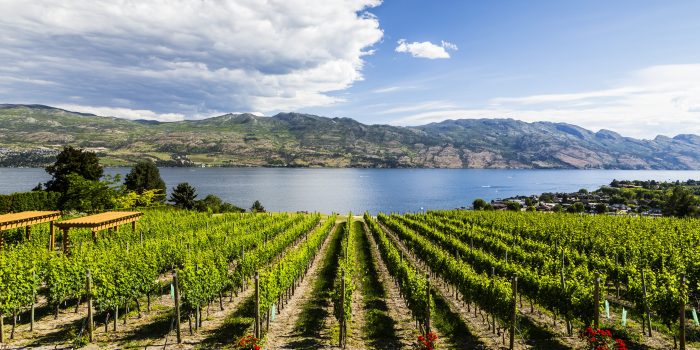
When it comes to wine tasting, beginners may feel overwhelmed by the process. However, by following some basic techniques, you can enhance your experience and truly appreciate the flavors and aromas of different wines.
Basic Wine Tasting Techniques
- Start by observing the wine’s color and clarity. Tilt the glass slightly and take note of the hue and intensity.
- Swirl the wine gently to release its aromas. This helps in aerating the wine and enhancing its fragrance.
- Take a moment to smell the wine. Try to identify different scents such as fruits, flowers, spices, or oak.
- Take a small sip and let it linger in your mouth. Pay attention to the taste, acidity, sweetness, and tannins.
- Finally, evaluate the finish of the wine. Note how long the flavors linger after you have swallowed or spit out the wine.
Tips for Appreciating and Evaluating Wines
- Try to taste different types of wines to develop your palate and expand your knowledge.
- Take notes during your tasting to remember your impressions and preferences for future reference.
- Experiment with food pairings to see how they can enhance or change the flavors of the wine.
- Stay open-minded and avoid preconceived notions about certain wines. Let your taste buds guide you.
Common Mistakes to Avoid
- Avoid wearing strong perfumes or colognes that can interfere with your ability to smell the wine properly.
- Avoid swirling the wine too vigorously, as it can spill and detract from the tasting experience.
- Avoid overcrowding your palate with too many wines at once. Take your time to appreciate each one individually.
Simple Guide to Enhance Your Wine Tasting Experience
- Set up a proper tasting environment with good lighting and minimal distractions.
- Use the appropriate glassware for each type of wine to fully enjoy its characteristics.
- Engage with other wine enthusiasts to share experiences and learn from each other.
Pairing Wine with Food
Pairing wine with food is an art that can greatly enhance your dining experience. The right combination can elevate the flavors of both the wine and the dish, creating a harmonious balance on your palate.
Fundamentals of Pairing Wine with Food
- Consider the flavors: Pair wines with foods that have complementary or contrasting flavors to create a balanced taste.
- Match the intensity: Lighter wines like white wines pair well with lighter dishes, while bolder wines like red wines go well with heavier, richer foods.
- Acid and tannins: Consider the acidity and tannins in wine when pairing with food. High-acid wines can cut through fatty foods, while tannic wines can complement protein-rich dishes.
Classic Wine and Food Pairings
- Sauvignon Blanc with goat cheese
- Chardonnay with lobster
- Pinot Noir with duck
- Merlot with steak
- Cabernet Sauvignon with lamb
Importance of Matching Wine with the Right Dish
Matching wine with the right dish can enhance the dining experience by bringing out the best flavors in both the wine and the food. It can create a harmonious balance and elevate the overall enjoyment of the meal.
Tips for Beginners to Experiment with Wine and Food Pairings
- Start with basic pairings: Begin with classic wine and food pairings to understand the principles behind successful combinations.
- Experiment with different flavors: Try pairing wines with a variety of dishes to explore how different flavors interact on your palate.
- Take notes: Keep track of the pairings you enjoy and the ones that don’t work as well to learn from your experiences.
Etiquette and Culture in Wine Tasting
When it comes to wine tasting, following proper etiquette can enhance the overall experience and show respect for the winemakers and their craft. Understanding the cultural aspects of wine tasting in different regions can also provide valuable insights into the history and traditions behind each wine. Let’s explore the etiquettes observed in various wine-producing countries and how understanding wine culture can enrich the tasting experience.
Etiquette Practices During Wine Tours
- Avoid wearing strong perfumes or colognes that can interfere with the aroma of the wine.
- Hold the wine glass by the stem to prevent affecting the temperature of the wine with your hands.
- Take small sips and swirl the wine in your mouth to fully appreciate the flavors.
- Refrain from making loud noises or disruptive behavior that can disturb other tasters.
Cultural Aspects of Wine Tasting in Different Regions
- In France, it is customary to taste and appreciate each wine slowly, savoring the experience.
- In Italy, wine tasting is often accompanied by food, emphasizing the importance of pairing wine with local cuisine.
- In Spain, sharing wine with friends and family is a common practice, highlighting the social aspect of wine culture.
Comparison of Etiquettes in Various Wine-Producing Countries
- In France, spitting out wine during a tasting is acceptable, while in some other countries it may be seen as disrespectful.
- In Germany, it is common to greet the winemaker or host before starting the tasting session, showing appreciation for their hospitality.
- In the United States, tipping the tasting room staff is a common practice to acknowledge their service and knowledge.
Enhancing the Tasting Experience through Wine Culture
- By understanding the traditions and customs of different wine regions, tasters can develop a deeper appreciation for the wines they are sampling.
- Exploring the cultural significance of wine can provide valuable insights into the history, geography, and people behind each bottle.
- Engaging with local wine culture can create memorable experiences and connections with the places and people that produce the wines.
Sustainable Practices in Winemaking
Embracing sustainable practices in winemaking is crucial for the preservation of the environment and the quality of the wine produced. By implementing eco-friendly approaches, wineries can reduce their carbon footprint and protect natural resources for future generations.
Importance of Sustainable Practices
- Minimizes the use of harmful chemicals: Sustainable winemaking involves reducing the use of pesticides and herbicides, which can have detrimental effects on the environment and human health.
- Promotes biodiversity: By preserving natural ecosystems and wildlife habitats, sustainable practices help maintain a balanced and healthy environment for grape cultivation.
- Conserves water and energy: Wineries that prioritize sustainability often implement water recycling systems and renewable energy sources to minimize their impact on the environment.
Impact on Wine Quality
- Enhanced flavor profiles: Sustainable vineyard management practices can lead to healthier grapes, resulting in wines with more complex and expressive flavors.
- Improved aging potential: Wines produced using sustainable methods are often more stable and have better aging potential due to the higher quality of grapes used.
Examples of Sustainable Wineries
- Fetzer Vineyards: Known for its commitment to organic farming and renewable energy, Fetzer Vineyards is a pioneer in sustainable winemaking.
- Tablas Creek Vineyard: This California winery follows biodynamic farming practices and is certified organic, showcasing a dedication to sustainability.
Supporting Environmentally Conscious Wineries
- By choosing to support environmentally conscious wineries, consumers can contribute to the preservation of the environment and encourage other producers to adopt sustainable practices.
- Supporting sustainable wineries also helps create a market demand for eco-friendly wines, promoting a more sustainable future for the wine industry as a whole.
Trends in Wine Tourism
As wine tourism continues to grow in popularity, several trends are shaping the industry, particularly for beginners looking to explore and learn about wines.
Experiential Wine Tours
Wineries are increasingly offering experiential wine tours for beginners, providing hands-on activities and immersive experiences to enhance their understanding of wine production and tasting.
Innovative Approaches by Wineries
- Some wineries are incorporating virtual reality technology to offer virtual tours of their vineyards and production facilities, allowing novice wine enthusiasts to explore without physically being there.
- Others are organizing themed wine tasting events, blending entertainment and education to attract a younger audience and make wine tasting more approachable.
- Wineries are also partnering with local chefs and artisans to create unique food and wine pairing experiences, showcasing the diversity and versatility of wines.
Technology in Wine Tourism
Technology is playing a significant role in enhancing the wine tourism experience for beginners, with wineries adopting innovative practices to engage and educate their visitors.
From interactive tasting apps to online virtual tastings, technology is enabling wineries to reach a broader audience and offer personalized experiences to wine enthusiasts.
Ending Remarks
Unveil the secrets of wine regions, tasting techniques, food pairings, and the evolving trends in wine tourism. This comprehensive guide ensures a fulfilling initiation into the captivating realm of wine for beginners.
Questions Often Asked
Which wine regions are suitable for beginners?
Popular wine regions for beginners include Napa Valley, Bordeaux, and Tuscany.
What are some common wine tasting mistakes beginners should avoid?
Avoid swirling the wine too vigorously, overfilling the glass, and not smelling the wine before tasting.
How can beginners enhance their wine tasting experience?
Beginners can enhance their experience by taking notes, trying different types of wines, and discussing flavors with others.
What are some classic wine and food pairings?
Classic pairings include red wine with steak, white wine with seafood, and champagne with desserts.
How do sustainable practices impact winemaking?
Sustainable practices help preserve the environment, maintain soil health, and produce higher quality wines.